
Create production-ready stills with Kling Image 3.0—without the complexity
Last verified: May 8, 2026
Kling Image 3.0 is Kuaishou Technology’s still-image model in the Kling AI 3.0 lineup (announced February 5, 2026), built for cinematic realism and professional-grade visual development. It supports 2K and 4K ultra-high-definition output, positioning it for workflows like virtual scene visualization and production asset creation.
On Vidofy.ai, you can access Kling Image 3.0 from a single, streamlined workspace: write prompts, iterate variants, manage projects, and keep your best generations organized for handoff to design, marketing, or pre-production. Instead of juggling different tools and interfaces, Vidofy keeps your Kling Image 3.0 workflow centralized so you can move faster from concept to usable stills.
Because Kuaishou positions the Image 3.0 series for realism—preserving textures, lighting, and material qualities with high fidelity—Kling Image 3.0 is especially suited to creators who need believable visuals, not just “pretty pictures.”
Explore Kling AI's Models
Made with Kling Image 3.0: Cinematic still ideas to try next
Browse prompt ideas you can run on Vidofy with Kling Image 3.0 to explore realistic lighting, texture, and materials.
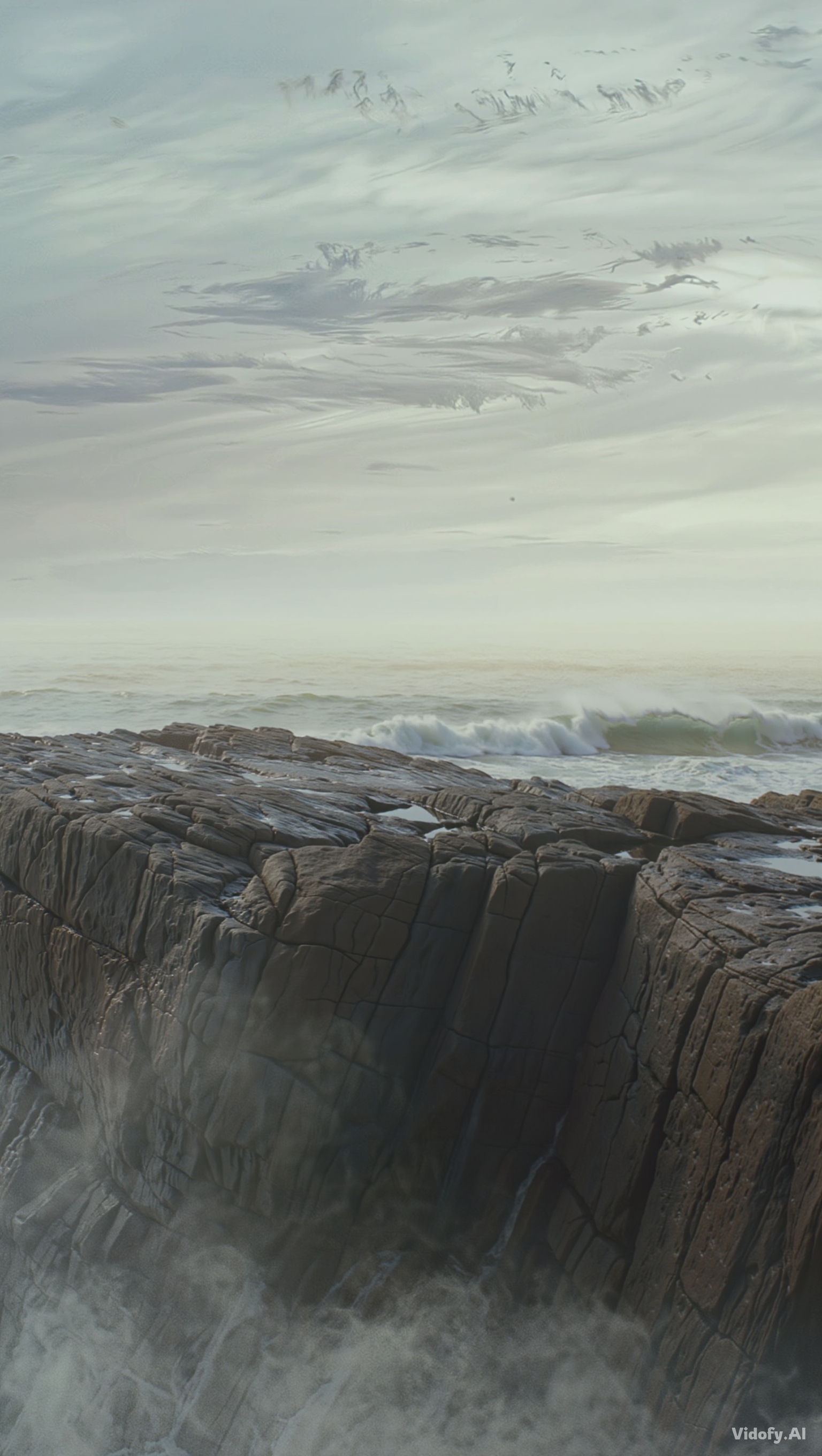
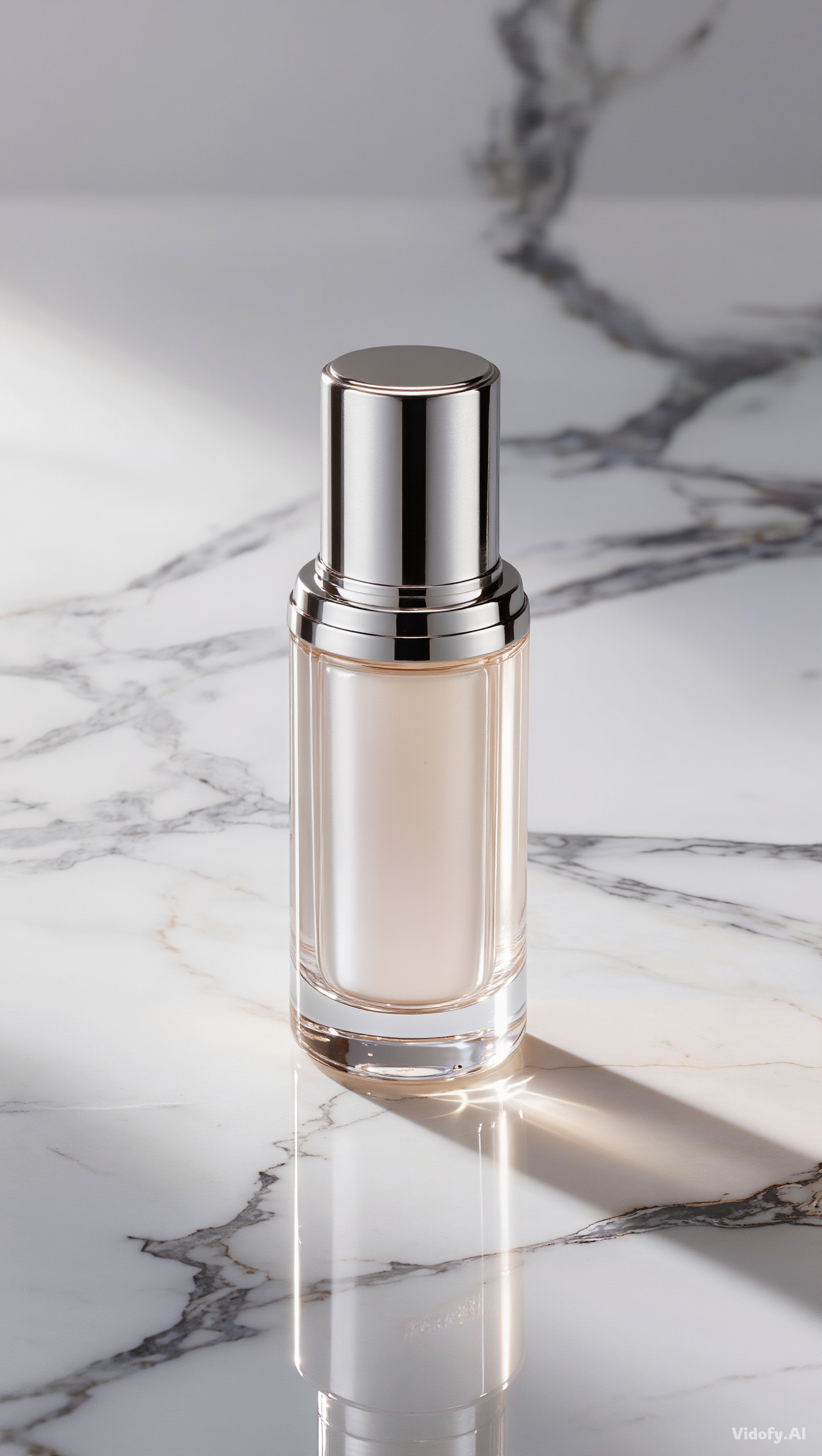




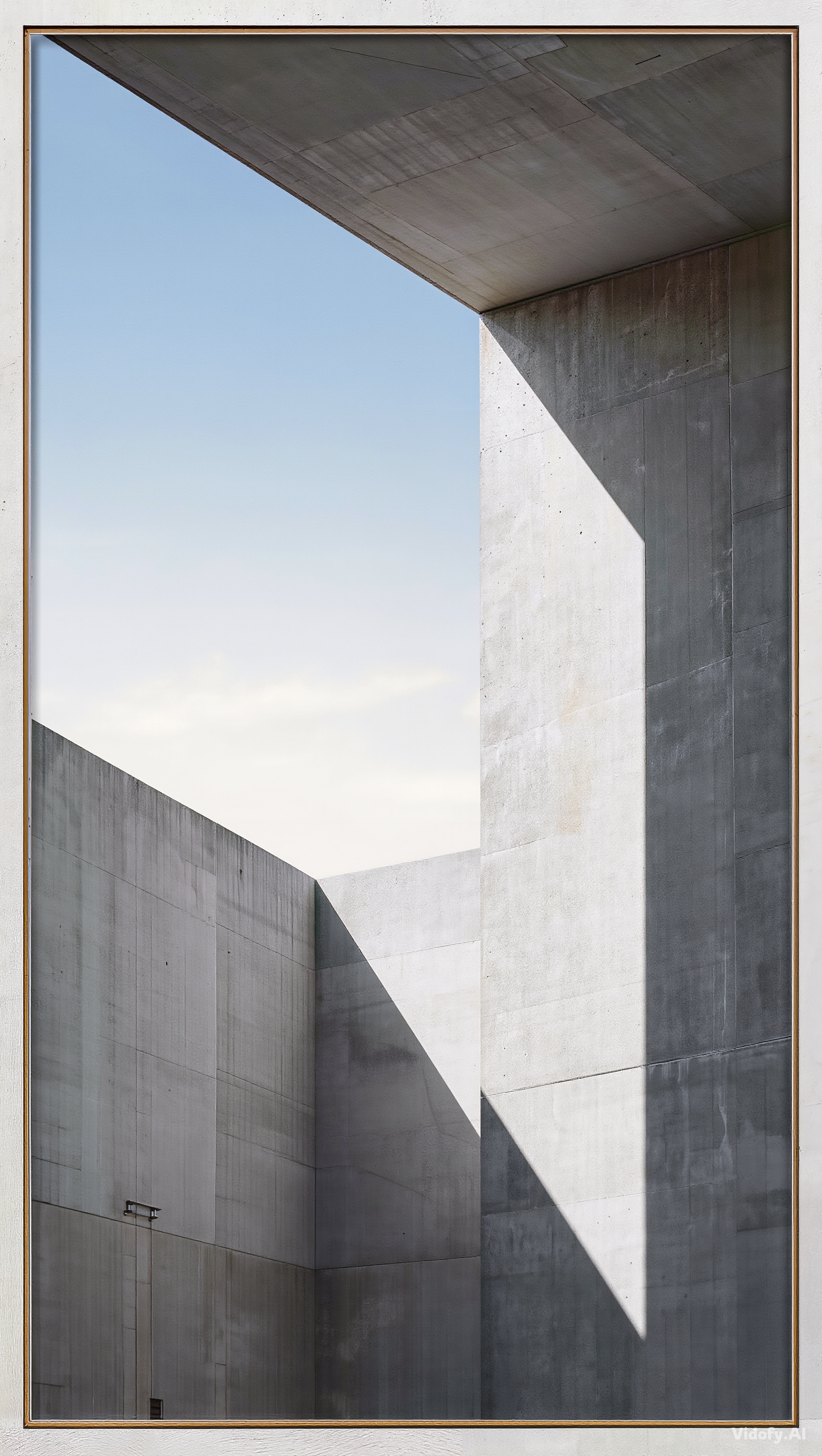

Kling Image 3.0 in Action: Prompts built for cinematic realism
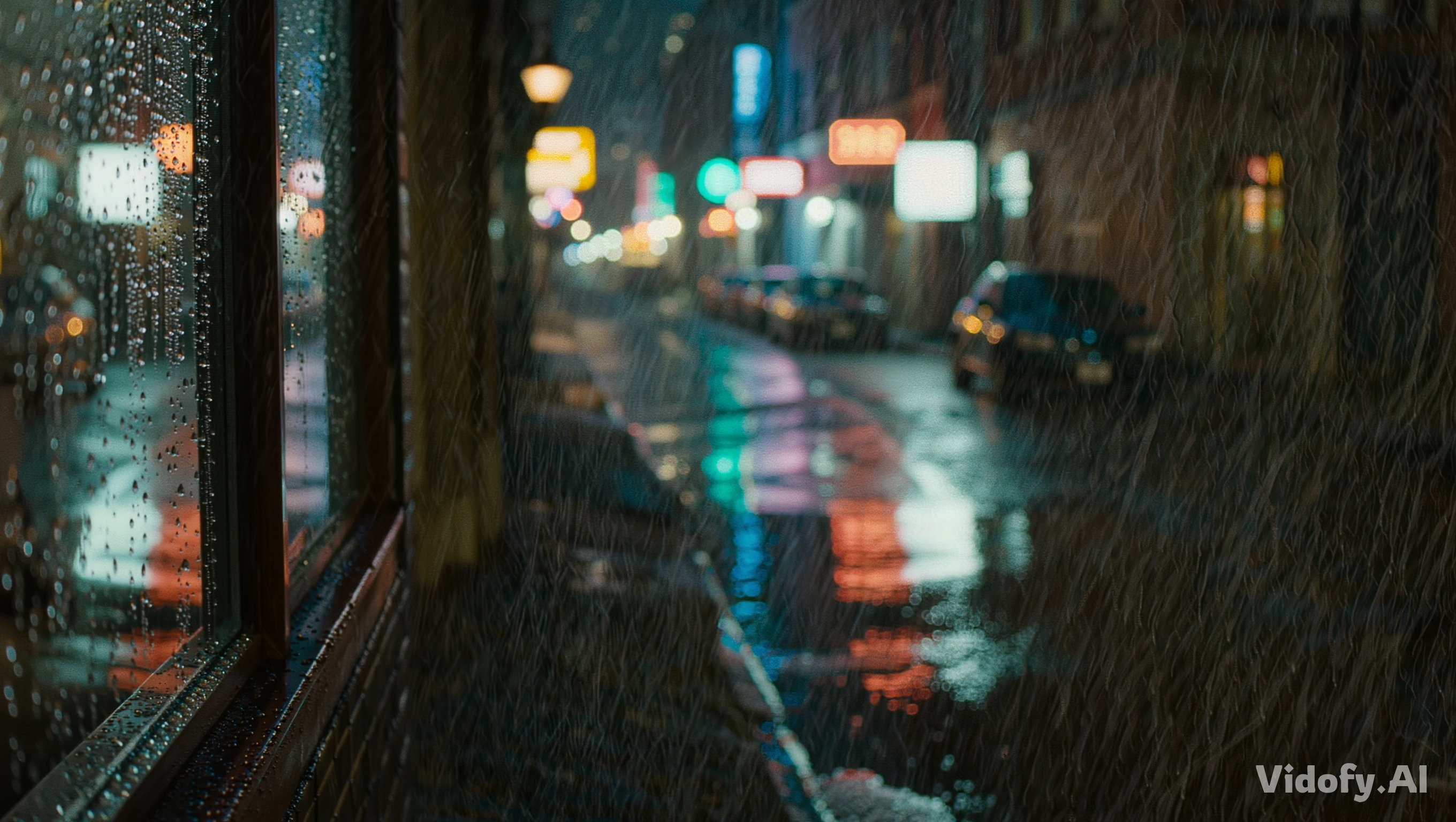
"A cinematic still of a rain-soaked neon alley at night, wet asphalt with mirror-like reflections, shallow depth of field, realistic water droplets on a glass storefront, soft volumetric haze, natural film grain, high contrast but preserved shadow detail"
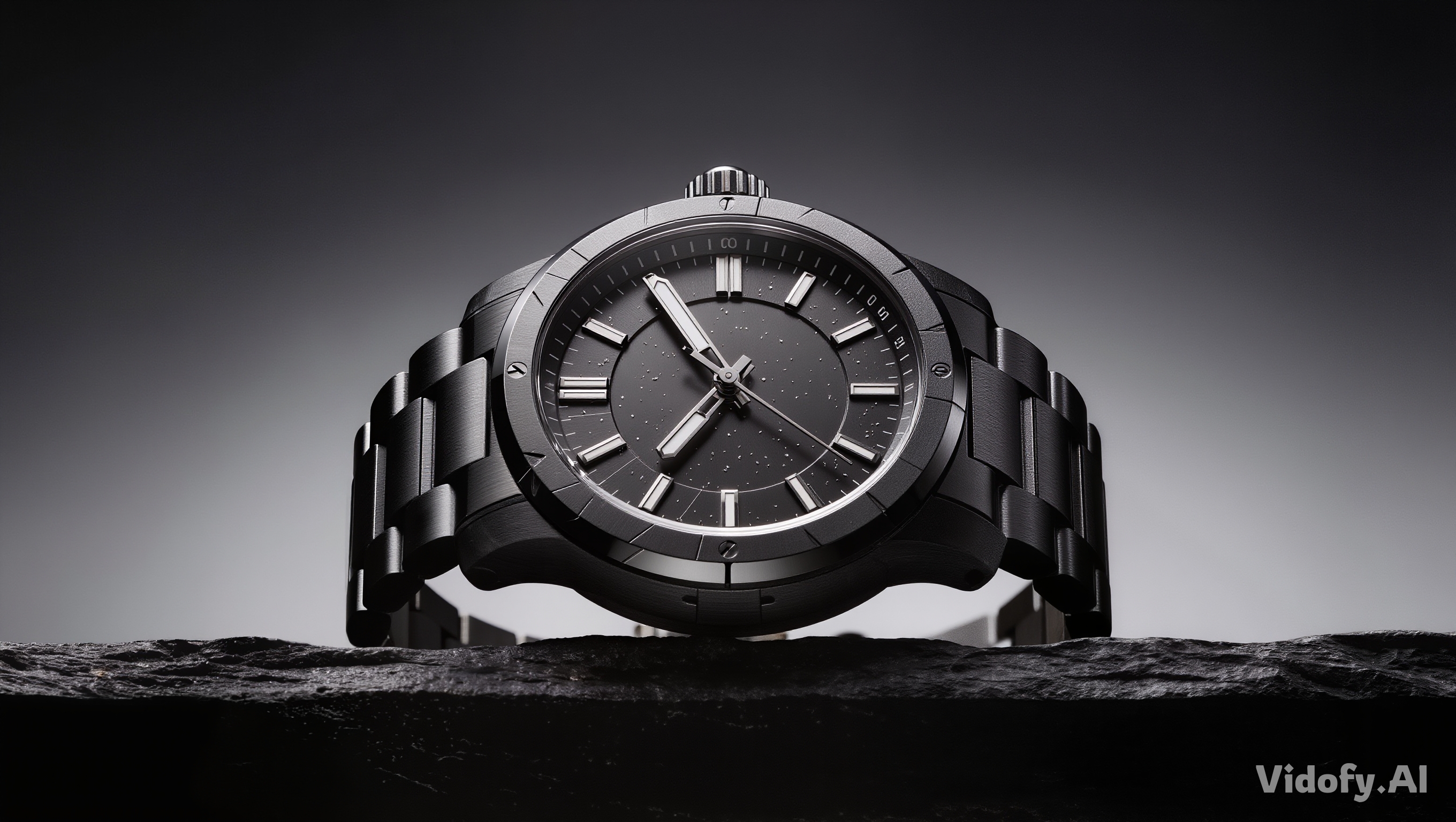
"Photoreal product hero shot: a matte-black mechanical wristwatch on dark slate, precise micro-scratches on metal, accurate softbox reflections, razor-sharp engraving, subtle dust specks for realism, studio backdrop gradient, premium commercial lighting"
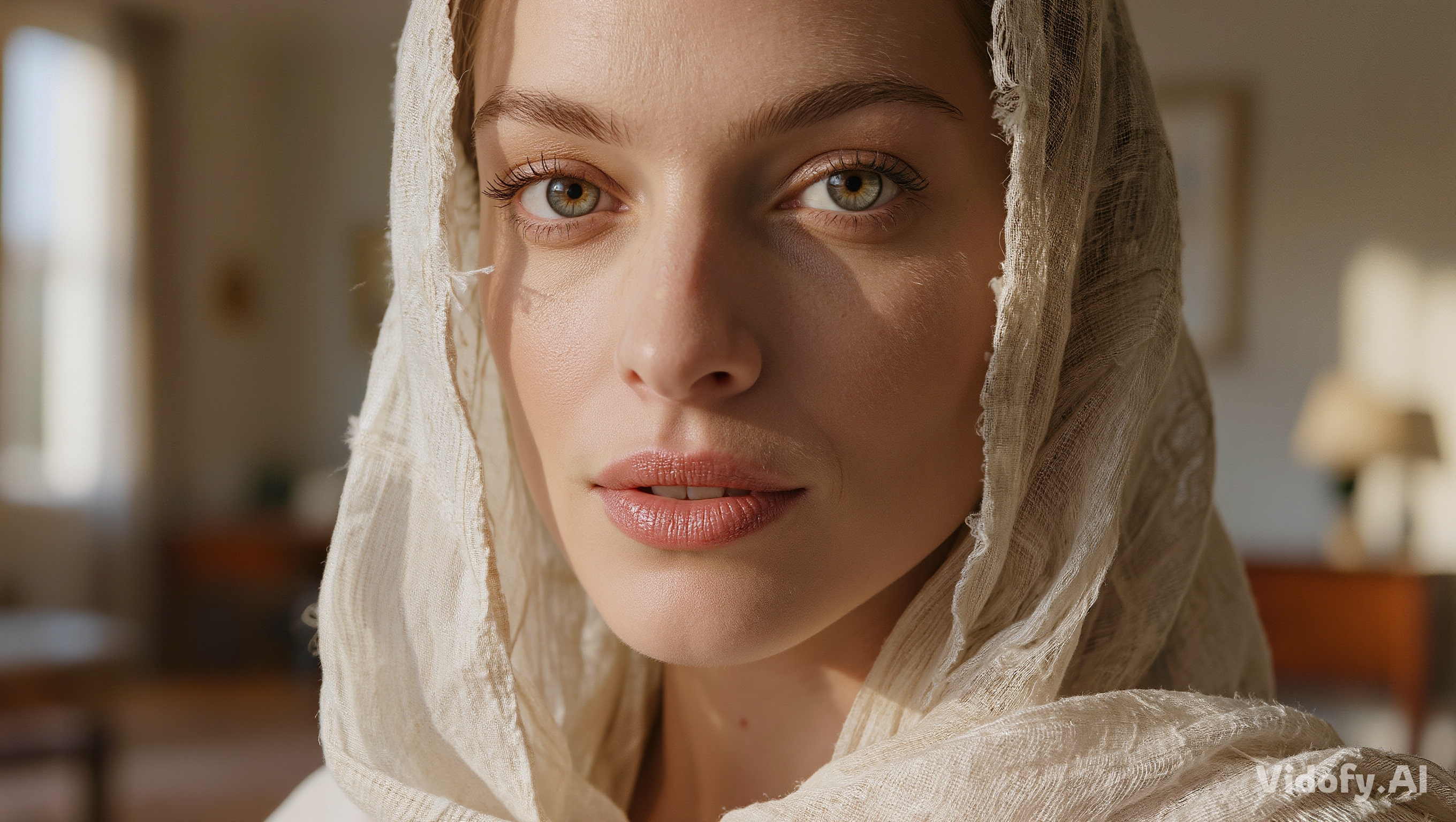
"Close-up portrait in window light: adult subject, believable skin texture (pores, fine vellus hair), natural color rendition, catchlights, shallow depth of field, realistic fabric weave in clothing, editorial fashion photography composition"
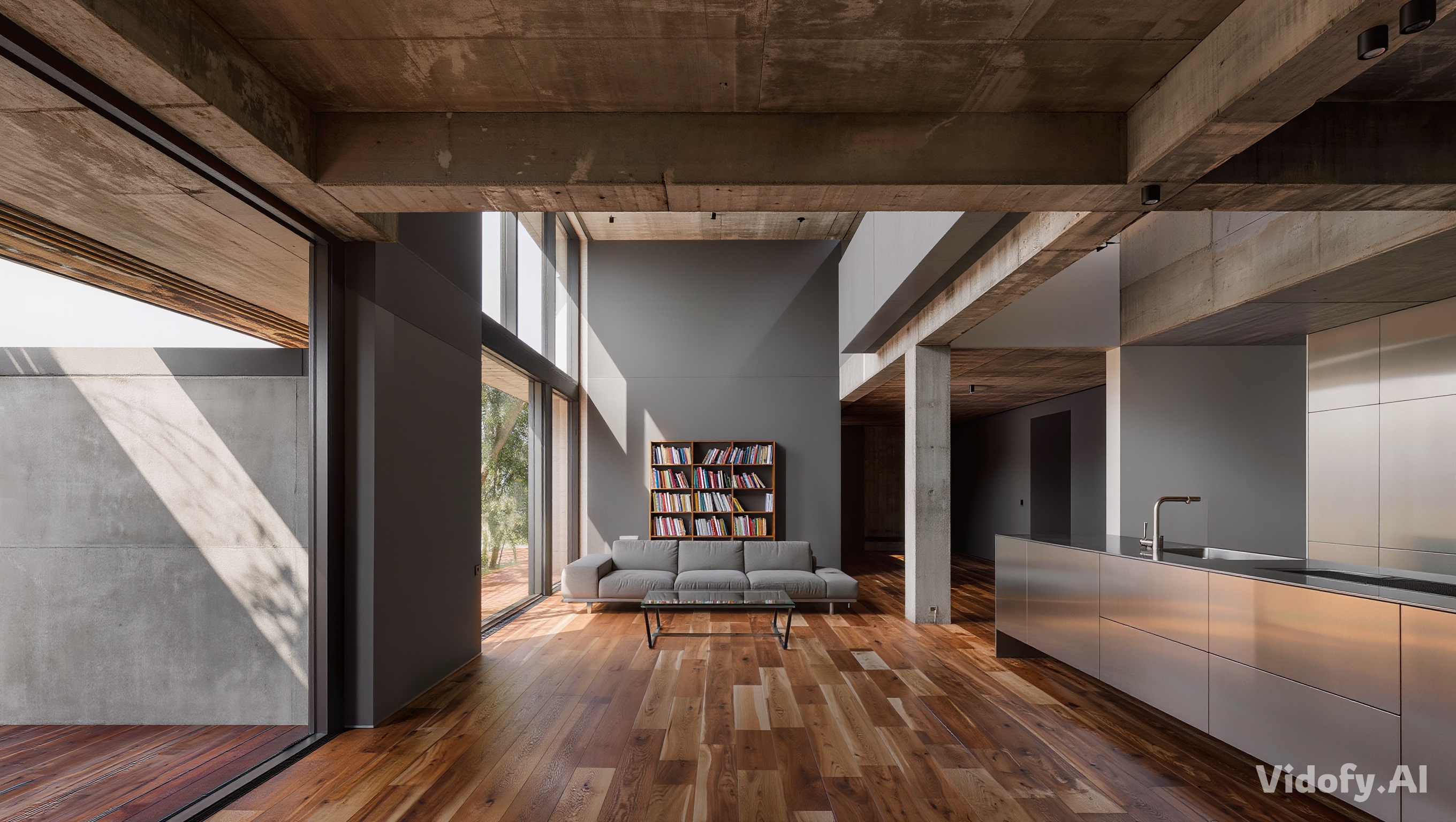
"Architectural visualization still: modern concrete home interior, physically plausible daylight bounce, accurate material response (brushed steel, oiled wood, matte paint), clean lines, realistic shadows, minimal clutter, wide composition with strong perspective"
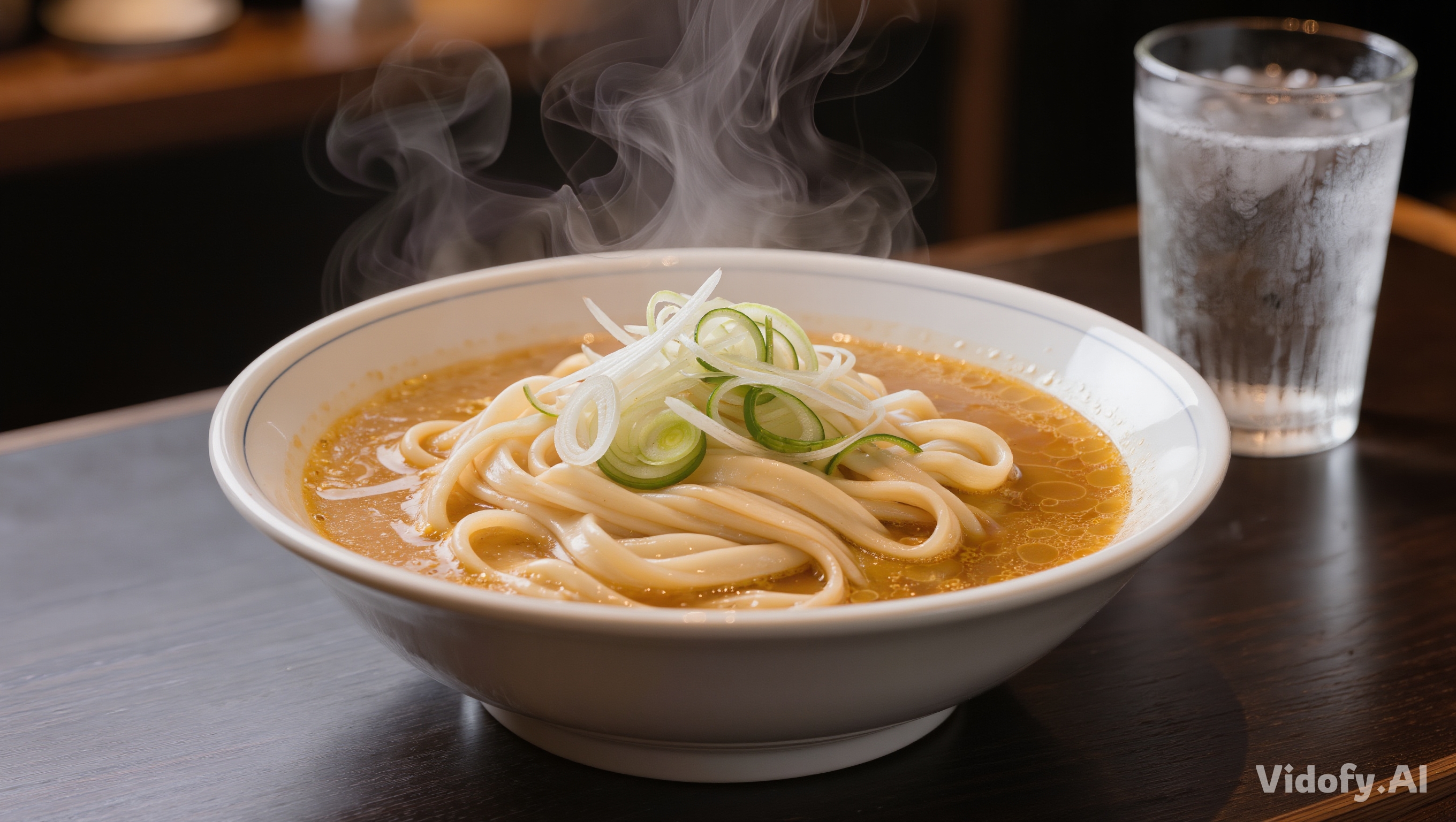
"Food photography: ramen bowl with rich broth sheen, steam that feels real, crisp scallion edges, glossy ceramic highlights, shallow depth of field, moody restaurant lighting, subtle condensation on a cold glass beside the bowl"
"Outdoor cinematic frame: hiker on a windy ridge at golden hour, believable atmospheric perspective, detailed fabric folds, realistic hair strands affected by wind, distant mountains with layered haze, natural lens flare kept subtle"

Cinematic UHD Still Generation vs Structured Production Control: Kling Image 3.0 vs FLUX.2
Kling Image 3.0 and FLUX.2 both target high-end image generation, but they’re optimized for different creator priorities. Below is a spec- and workflow-focused comparison, with any numeric claims shown only when verified by official sources.
| Feature/Spec | Kling Image 3.0 | Flux.2 |
|---|---|---|
| Model category | Image generation model (still images) | Image generation + image editing model family |
| Max output resolution (officially stated) | 2K and 4K ultra-high-definition output | Up to 4MP output/editing |
| Multi-reference inputs (officially stated maximum) | Not verified in official sources (latest check) | Up to 10 reference images |
| Image editing support | Not verified in official sources (latest check) | Text-to-image + image editing (single-reference and multi-reference) |
| Open-weights option | Not verified in official sources (latest check) | Open-weight variant available (FLUX.2 [dev], 32B parameters) |
| Officially stated workflow strengths | Cinematic realism for professional visualization and production assets; strong preservation of textures, lighting, and material qualities | Designed for real-world creative workflows: structured prompting, brand-aligned outputs, and strong handling of text/logos/layouts |
| Accessibility | Instant on Vidofy | Flux.2 also available on Vidofy |
Detailed Analysis
Analysis: When “cinematic realism” is the deliverable
If your goal is to generate stills that can function as serious production inputs (scene visualization, realistic concept frames, marketing-grade renders), Kling Image 3.0 is positioned by Kuaishou as an ultra-high-definition image model optimized for cinematic realism—explicitly calling out textures, lighting, and material qualities as core output priorities.
On Vidofy, that translates into a practical loop: generate multiple high-fidelity options, compare them side-by-side, and keep iterations organized per project so you can quickly converge on the “hero” frame your team can actually use.
Analysis: When controllability and multi-reference editing drive the pipeline
FLUX.2 is engineered around production-style control: the official Black Forest Labs documentation highlights multi-reference support (up to 10 images) and high-resolution editing (up to 4MP), alongside structured prompts and brand-oriented constraints.
If your workflow depends on repeatable brand consistency, reference-driven variation sets, or editing with multiple inputs, FLUX.2 offers more clearly documented controls—while Kling Image 3.0’s comparable input/edit limits are not currently publicly specified in official sources (latest check).
Verdict: Pick the model that matches your production constraint
Get Your Result in 3 Simple Steps
Follow these 3 simple steps to complete your task quickly.