
Create Production-Ready Images 4x Faster with GPT Image 1.5
Last verified: March 11, 2026
GPT Image 1.5 is OpenAI's latest image generation and editing model, released in December 2025, developed as the successor to DALL-E and native to ChatGPT. Unlike earlier systems using separate models for text and images, GPT Image 1.5 uses an autoregressive approach with native multimodal architecture where text and images are processed in the same neural network. The model delivers image generation up to 4× faster with improved instruction following that changes what you ask for while keeping elements like lighting, composition, and likeness consistent across edits.
GPT Image 1.5 can generate readable text within images, including small text, dense paragraphs, and complex layouts like infographics or presentation slides. The model's region-aware editing can modify specific parts of an image while leaving everything else untouched, identifying which pixels should change and which should remain constant. This breakthrough enables professional workflows from marketing materials to UI mockups that were previously impossible with AI image generators.
Image inputs and outputs are 20% cheaper in GPT Image 1.5 compared to GPT Image 1, making enterprise-scale deployment economically viable. Experience this revolutionary model instantly on Vidofy.ai—no complex setup, no GPU requirements, just professional-grade image generation at your fingertips.
Explore GPT Image's Models
GPT Image 1.5 in Action: From Concept to Creation
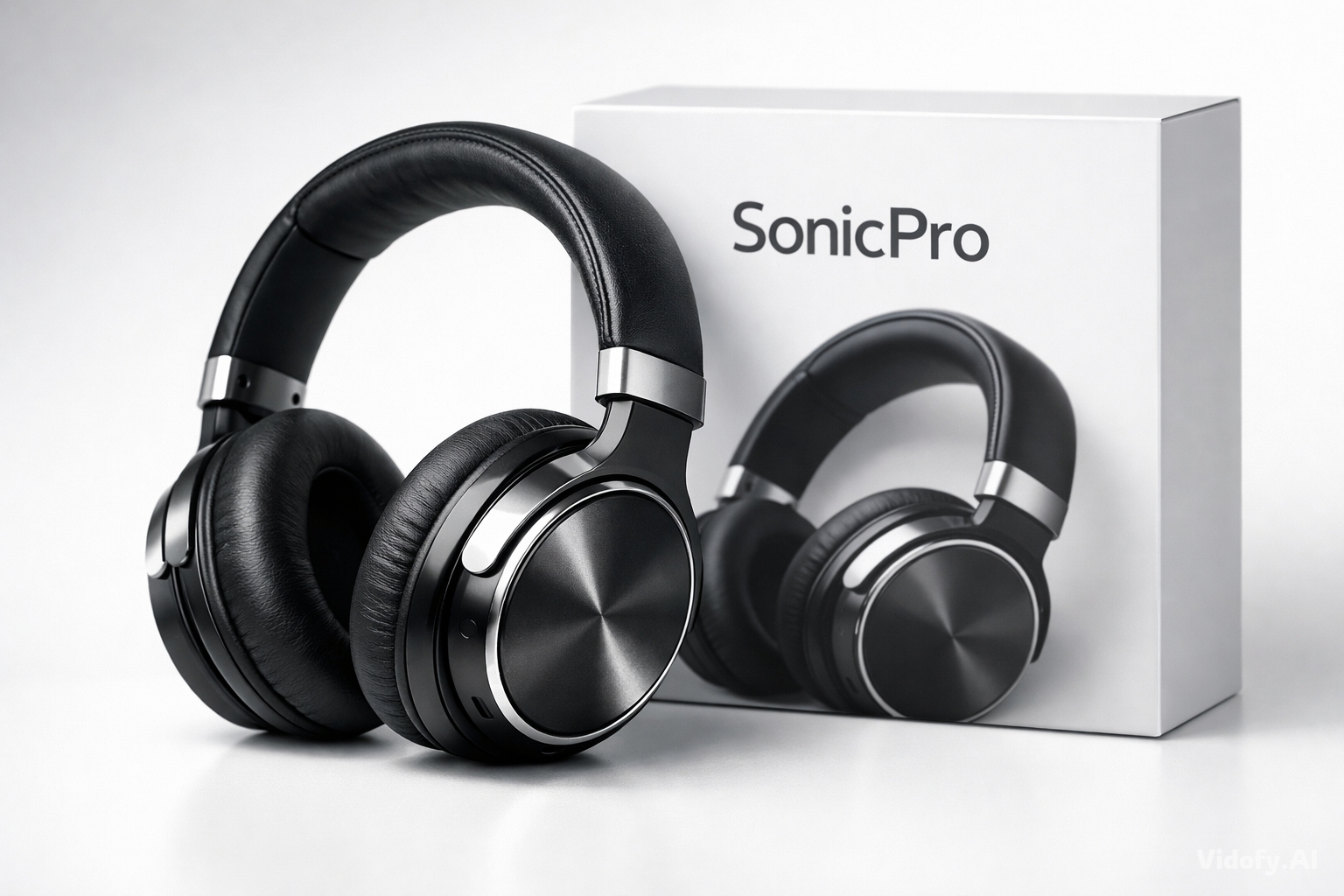
"A professional product photography shot of a sleek wireless headphone on a minimalist white surface with subtle gradient lighting from upper left, creating soft shadows. Metallic accents catching highlights, ultra-clean background, studio quality, shallow depth of field. Product name 'SonicPro' displayed in modern sans-serif on the packaging visible in frame."
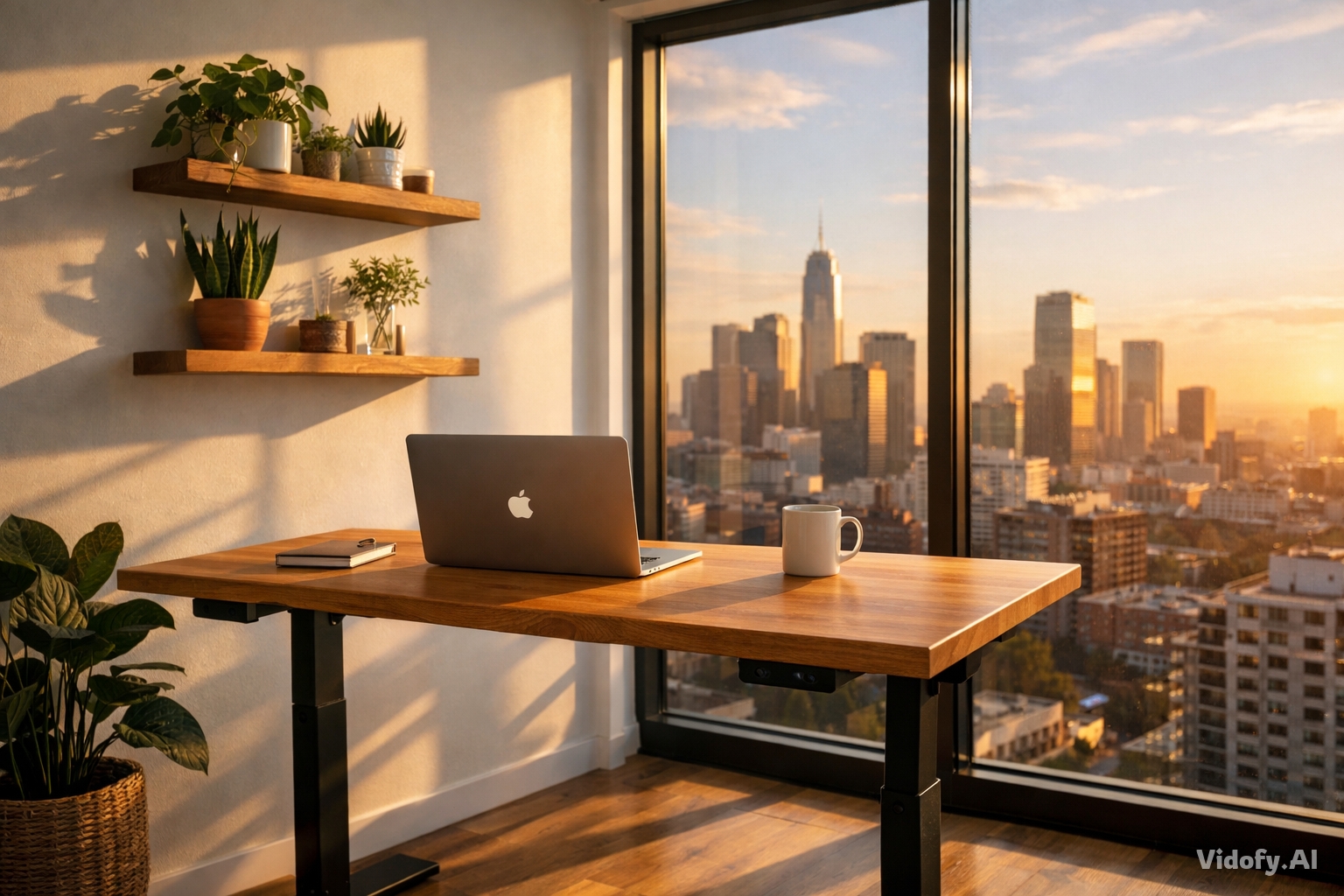
"Modern home office interior with standing desk positioned near large floor-to-ceiling window showing city skyline at golden hour. Warm afternoon sunlight streaming in, creating natural shadows. Indoor plants on floating shelves, minimalist aesthetic with natural wood desk, white walls, MacBook and coffee mug on desk surface. Shot with 35mm lens, architectural photography style."
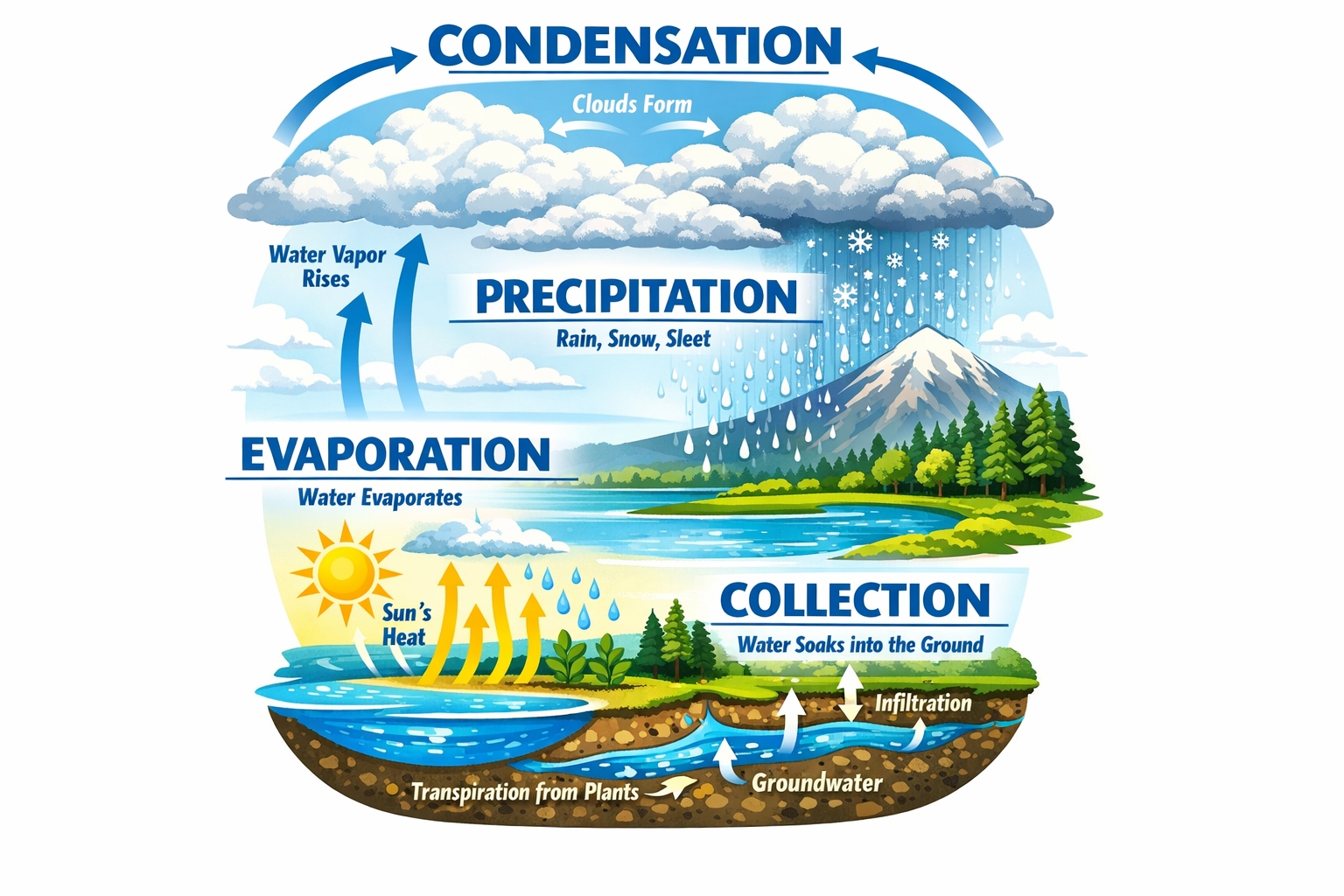
"Detailed infographic poster explaining the water cycle: cloud formation at top with arrows, rainfall in center section, ground absorption and evaporation at bottom. Clean diagram layout with labeled sections in bold blue typography: 'EVAPORATION', 'CONDENSATION', 'PRECIPITATION', 'COLLECTION'. Educational illustration style, high contrast colors, readable text on light background."
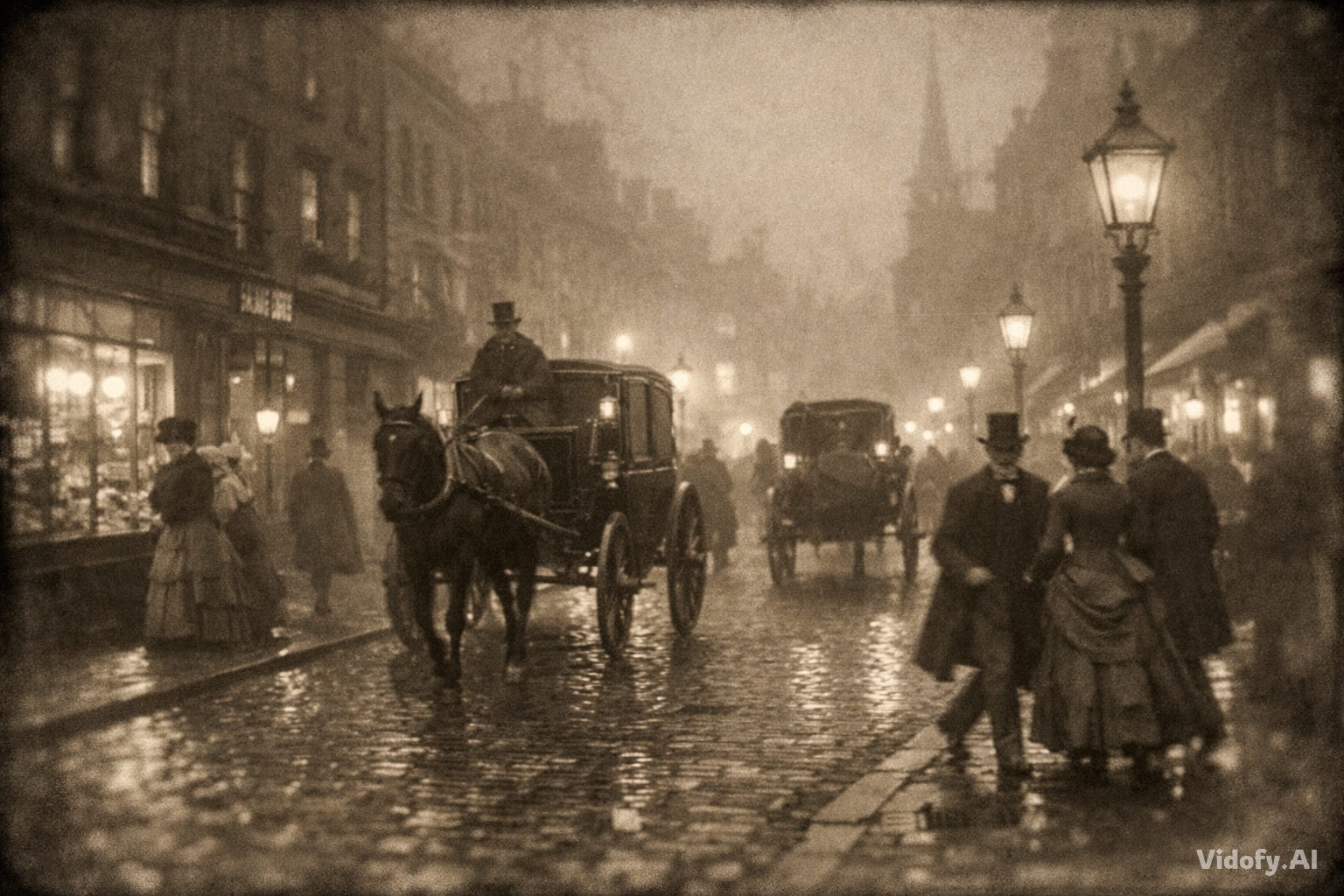
"Victorian-era London street on a foggy evening circa 1880s, gas lamps creating pools of amber light on cobblestones. Horse-drawn carriages with period-accurate details, people in authentic Victorian clothing (top hats, long coats, bustled dresses) hurrying past shop windows displaying vintage goods. Atmospheric and cinematic, captured with period photography aesthetic—slight sepia tone, soft focus edges."
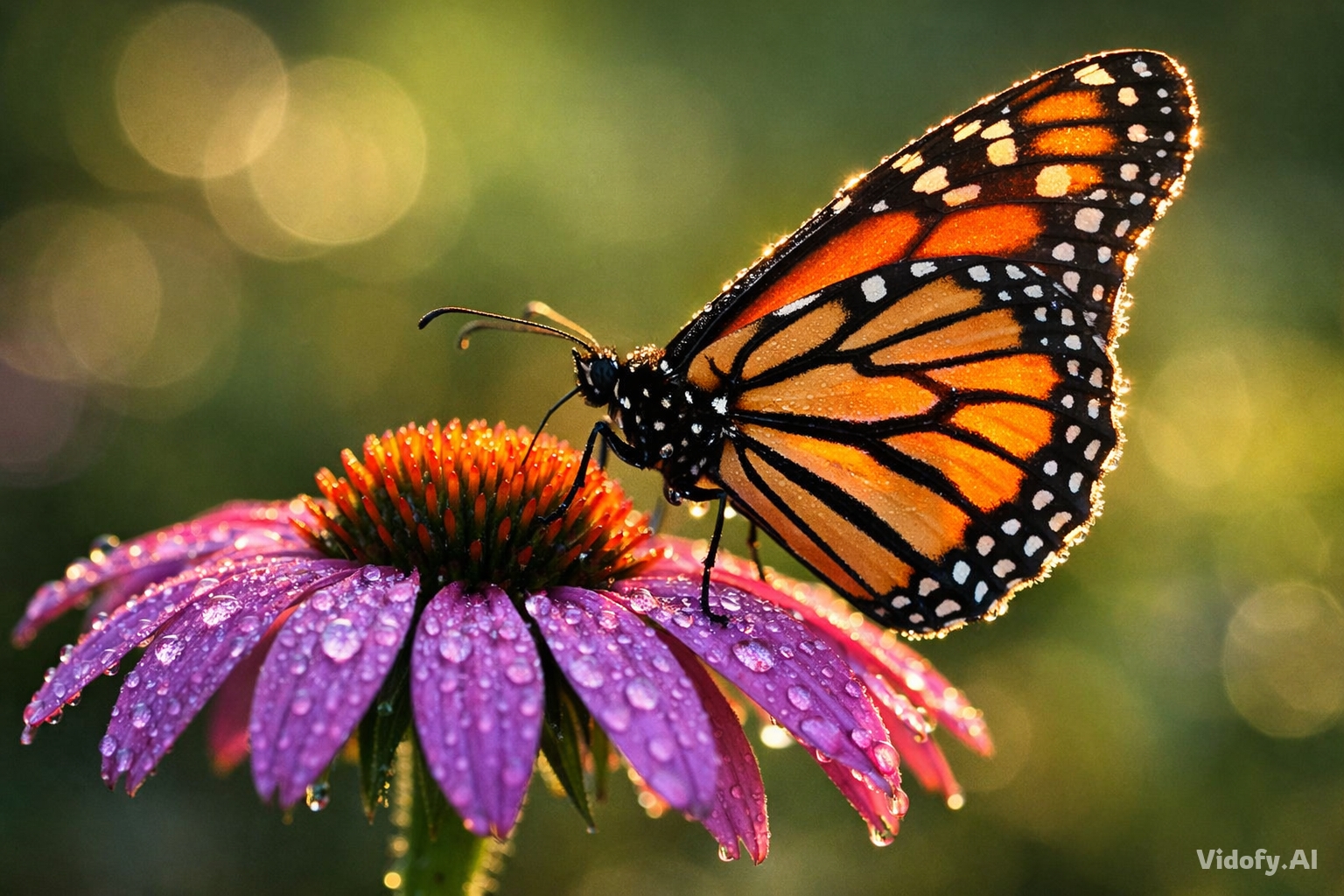
"Macro photograph of a monarch butterfly perched on a vibrant purple echinacea flower, morning dewdrops visible on petals. Shot with 100mm macro lens at f/2.8, shallow depth of field with soft bokeh background showing blurred garden greenery. Natural sunlight from the side creating rim lighting on butterfly wings, showcasing intricate orange and black pattern details."
"Cozy independent coffee shop interior: exposed brick wall with hanging Edison bulbs, wooden communal table in center, customers reading books and working on laptops in comfortable leather chairs. Barista preparing espresso behind vintage copper machine, chalkboard menu on wall with handwritten daily specials. Warm ambient lighting, shot from corner angle to capture full atmosphere, 24mm wide lens, photojournalistic style."

GPT Image 1.5 vs FLUX.2 Flex: The Battle for Production-Grade Image Generation
Both models represent cutting-edge AI image generation technology, yet they approach the problem from fundamentally different angles. GPT Image 1.5 from OpenAI emphasizes speed, conversational editing, and multimodal integration, while FLUX.2 Flex from Black Forest Labs offers surgical control over generation parameters and exceptional typography. Let's examine how these powerhouses compare across the metrics that matter for professional creators.
| Feature/Spec | GPT Image 1.5 | FLUX.2 Flex |
|---|---|---|
| Developer | OpenAI | Black Forest Labs |
| Release Date | December 16, 2025 | November 2025 |
| Architecture | Autoregressive with native multimodal architecture | Latent flow matching with 32B parameter rectified flow transformer coupled with Mistral-3 24B VLM |
| Supported Resolutions | 1024×1024, 1536×1024, 1024×1536 | Up to 4MP with flexible input/output ratios |
| Generation Speed | 8-12 seconds typical (4x faster than predecessor) | Variable: 6-50 steps adjustable, trading detail for latency |
| Text Rendering | Readable text with proper spelling, alignment, kerning, and font weights in complex layouts | Complex typography for infographics and UI mockups with reliable rendering |
| Editing Capabilities | Region-aware editing that modifies specific parts while leaving everything else untouched, preserving lighting and composition | Image editing from text and multiple references up to 4MP while preserving detail and coherence |
| Multi-Reference Support | Multiple input images for compositing and style reference | Up to 10 reference images for editing |
| API Pricing (Low Quality) | ~$0.01 per image | $0.06/megapixel |
| Parameter Control | Quality and fidelity settings (low/medium/high) | Adjustable inference steps (10-50) and guidance scale for quality-speed balance |
| Accessibility | Instant on Vidofy | Also available on Vidofy |
Detailed Analysis
Analysis: Speed vs Control Trade-offs
GPT Image 1.5's architectural advantage delivers consistent speed—most images generate in 8-12 seconds regardless of complexity, making it ideal for rapid iteration workflows. This 4x improvement over its predecessor isn't just about impatience; it fundamentally changes what creative workflows become practical. A designer can now test ten variations in two minutes rather than seven, keeping creative momentum alive.
FLUX.2 Flex takes a different approach: surgical control. By exposing inference steps and guidance scale parameters, it lets you decide how much computational power each image deserves. Need quick drafts? Run 6 steps. Final production asset? Dial up to 50 steps for maximum typography accuracy and fine detail. This flexibility is particularly valuable for teams balancing quality requirements against budget constraints—use low steps for exploration, high steps only for approved finals.
Analysis: Editing Precision and Multi-Modal Integration
GPT Image 1.5's native multimodal architecture delivers unprecedented editing precision. When you ask to 'change the jacket color,' it changes only the jacket—facial features, lighting, background, and composition stay exactly the same. This region-aware editing treats faces and critical elements as anchored tokens that persist across the generation process, mathematically similar to how transformer architectures preserve semantic meaning. The result? You can make 5+ consecutive edits without losing visual consistency.
FLUX.2 Flex's strength lies in its multi-reference system—accepting up to 10 images simultaneously. Each reference contributes specific attributes (character likeness, style elements, brand colors), which the model synthesizes into coherent outputs. Combined with up to 4MP editing resolution, this makes FLUX.2 Flex particularly powerful for brand work requiring absolute consistency across product catalogs or marketing campaigns. The trade-off is a steeper learning curve: you're managing reference slots and parameter tuning rather than conversational refinement.
The Verdict: Choose Based on Your Workflow
Get Your Result in 3 Simple Steps
Follow these 3 simple steps to complete your task quickly.